The dangerous allure of suicide
It is said that suicide is the permanent solution to a temporary problem.
When a person is feeling hopeless and comes to believe that their unbearably painful situation is never going to end, they will look for some way to escape.
When there is an overwhelming sense of guilt and shame associated with the state of depression and hopelessness, thoughts of self punishment often seem justified.
Moral injury sustained by military members and first responders very often results in guilt, shame and self-reproach. Because members of these groups have such high standards for themselves, any sense of operational or moral failure can cause great distress. The stigma from colleagues and often from management that comes with an admission of a mental illness compounds the insult and injury.
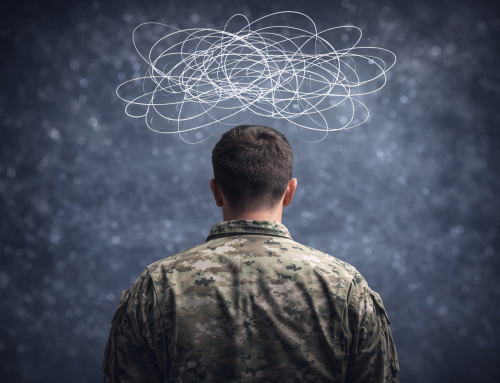
Of course, one of the sad ironies is that when a person is feeling guilt and shame, especially when they work in an environment where their performance is constantly being monitored and compared to such high standards, the tendency is to want to isolate and escape. Isolation means there is no one to challenge thinking that is not entirely in keeping with reality. Escape can be through drugs, alcohol or other addictive behaviours. Hopelessness can turn into pessimism. Pessimism can turn into catastrophic thinking. The idea that “desperate times call for desperate measures” can take hold in a despairing brain.
Guilt and shame can lead one to believe that they are a burden to others, that their family and friends would be better off without them. They can develop the delusion that the whole world would be better off if they just took themselves out. This coupled with the notion that suicide will end their pain and possibly punish them in the way they deserve, can make suicide look like an attractive solution.
It is well known that the risk of suicide increases if there is a close friend or family member who has died by suicide. Of course, in the case of suicide by a family member, this can be due to a genetic tendency toward mental illness such as depression, schizophrenia and other psychiatric conditions. There could also be a genetic tendency towards addiction and certain temperaments. All of these can increase risk of suicide on their own. Having a mentally ill parent or other significant family member can cause disruption in early attachments and result in a difficult upbringing. This in itself can cause significant depression and anxiety, but can also lead to the development of personality disorders, decreased tolerance for mental distress, and impulsivity. Impulsivity combined with addictions and access to lethal means greatly increases the risk of suicide. Loss of a close family member by suicide will inevitably cause complicated grief. Guilt about not being able to see the signs or prevent the suicide, and/or anger that the person would do such a thing and hurt those left behind can be powerful emotions mixed in with the sadness, grief and loss. All of these factors may play a role in the increased risk of suicide in individuals with a family member who died by suicide.
When a close friend or colleague dies by suicide, there can initially be a sense of shock and disbelief. There can be the guilt of not realizing the depth of the friend’s despair and not reaching out to them. The sudden loss is startling and profound, and can be difficult to process. The death may continue to weigh heavily on the mind of the person who has lost their friend or colleague. If the person left behind is struggling with their own mental distress, and they had a close connection with the suicide victim, they might start to wonder when their own negative thoughts and emotions will start to lead them down the same path as their friend. Memories of the close interactions with the departed friend and how intimately they related and resonated with them can begin to make a person wonder when their friend’s story will become their own story.
Of course, rationally these thoughts do not make sense. However, if a mentally suffering person isolates themselves and does not have anyone to challenge their dark thoughts, suicidal ideation can become quite compelling. They may begin to have passive thoughts of suicide, occasionally wishing they were no longer here. If the distress worsens with no relief of symptoms, the thoughts can progress to beginning to plan their suicide. When the person does finally make the decision to carry out a suicide, it is almost as if they have made a pact with whatever part of them is directing them to do so. They can in effect go “undercover” and act in a way that no one will know what they are up to so no one can foil their plan.
To prevent suicides, we as a society need to be more in tune with the mental distress of others. We need to check in with our friends, colleagues and loved ones and let them know that we truly are interested in their wellbeing. We need to look out for those who may be isolating, especially when we recognize that they might be going through a difficult time.
We must be alert for signs that those we care about may be suffering from guilt, shame or self reproach. We must be prepared to ask the difficult questions about whether a person is entertaining thoughts of self harm or suicide. We must help them keep their sense of their role and responsibility in critical events in keeping with reality. In truth, it is very rare that one first responder at a scene will be to blame for an unfortunate outcome.
They need to know they are loved, valued and supported regardless of any difficult experiences they have had, or unfortunate decisions they might have made. We must show compassion and encourage them to engage in self compassion. They must be helped to understand that “this too shall pass”, so they do not slip into the faulty thinking that their distress will be permanent.
Of course, it is very important that a person with significant depression or anxiety who may be harbouring suicidal thoughts be brought to medical attention. Severe depression is a chemical and physiologic state of the brain.
Very often, medication might be necessary to help lift a person out of a deep depression. Of course, for their safety, someone who is actively suicidal needs to be removed from dangerous situations and separated from lethal means (guns, drugs, etc) and brought into a safe and secure space where they are surrounded by caring professionals.
Suicidal ideation and increased risk of suicide is most often a temporary state. Many people who have been seriously suicidal or who have had suicide attempts get effective help and never go back to suicidal thinking. A deeply despondent person at risk of suicide needs the help and support to envision a better future for themselves.